

Villa Fabra in Alella (Cal Marquès)
Roger Tarrats Balet
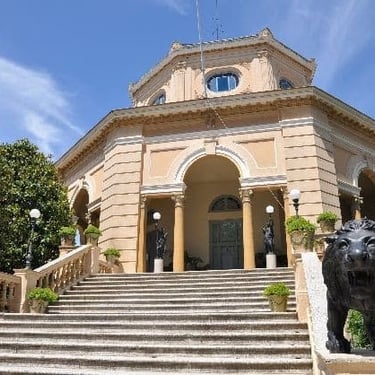
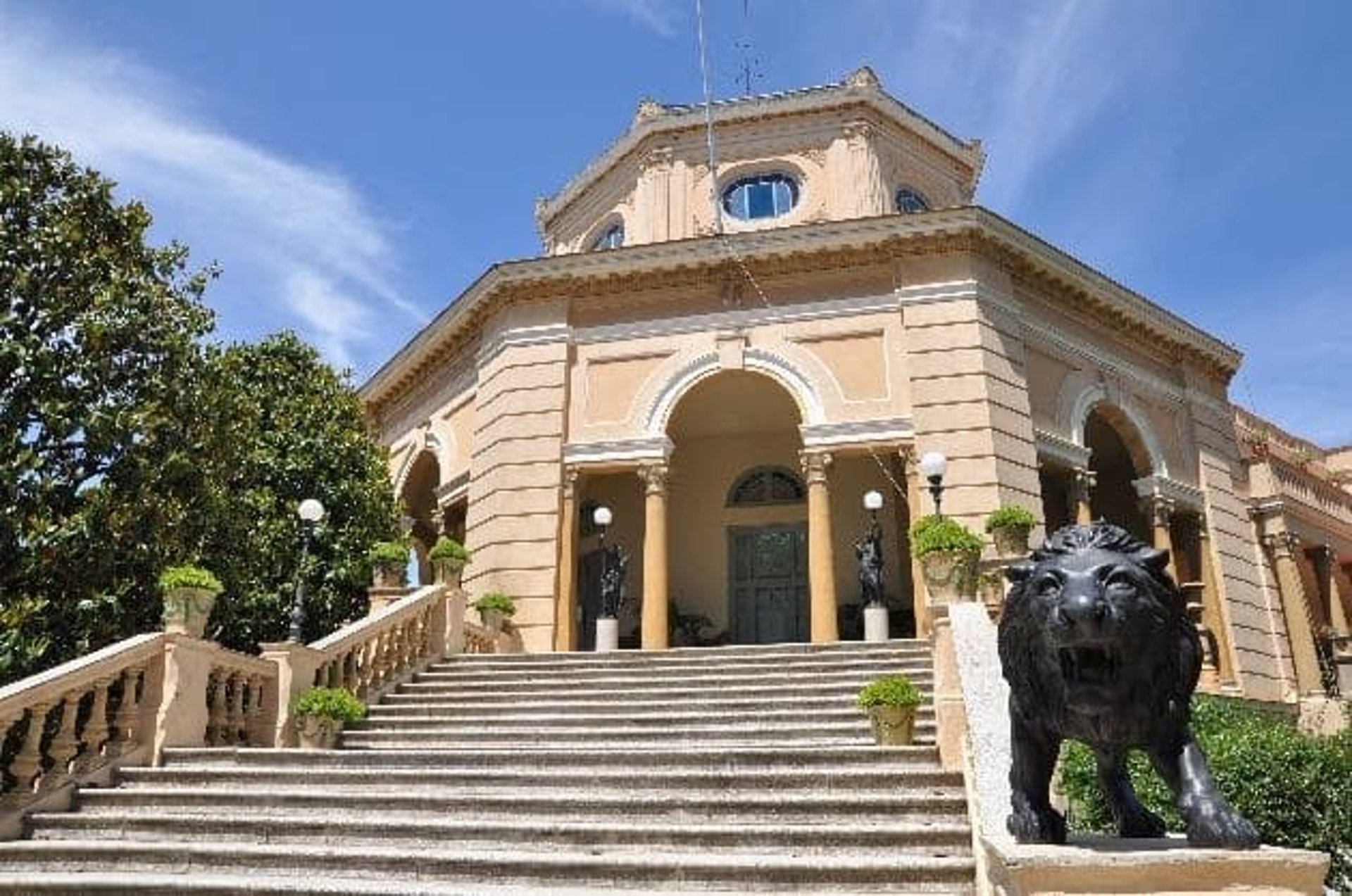
The Villa Fabra in Alella (Cal Marquès): The Noble Retreat and the Mark of Domènec Balet
In historical research, grand buildings always hide fascinating secrets. In the Official Archive of Domènec Balet i Nadal, we are documenting one of the most emblematic estates of the Maresme region: the Villa Fabra in Alella (known today as Cal Marquès).
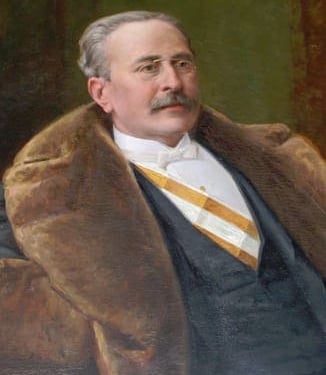
We know that Domènec Balet was the trusted architect of the powerful industrialist Camilo Fabra i Fontanills, the first Marquis of Alella. The evidence we have gathered points to their relationship going much further than the rental buildings in Barcelona: Balet was the creator of the interior design for the Marquis's personal sanctuary, though the mansion itself has been removed from his official catalog due to historical doubts, as recent findings indicate it is highly probable the building was constructed by a different builder.
The Origin of Cal Marquès: From Farmhouse to Mansion (1870)
The history of the estate dates back to the Marquis's maternal family (the Fontanils). It was Camilo Fabra himself who, in 1870, spearheaded a radical transformation of the property. He left behind the structure of the old annexed farmhouses to build a magnificent mansion.
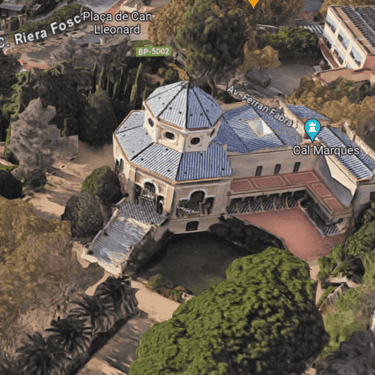
The surroundings were designed to impress, enveloping the house in majestic terraced gardens. Each path featured its own botanical species (cedars at the top, pines, palm trees, and shade plane trees) culminating in a bucolic and admirable lake with swans.
The lifestyle was worthy of the highest bourgeoisie: every Thursday at exactly eleven o'clock, Camilo Fabra took the train from the Estació de França to El Masnou, where the estate manager waited with a carriage to take him up to his oasis in Alella.
1889-1891: A Noble Title and a Fine Arts Commission
The turning point came in 1889 when Queen Regent Maria Christina granted Camilo Fabra the title of Marquis of Alella. It is highly likely that, to celebrate this new noble status and adapt his mansion for elite receptions, the Marquis turned to his most trusted architect: Domènec Balet.
As we have documented in the Exhibitions section of our website, in 1891, Domènec Balet participated in the 1st General Fine Arts Exhibition of Barcelona. The project he chose to present was precisely the design of the "dining room and stately fireplace for the Villa Fabra d'Alella."
Presenting this design at a Fine Arts exhibition is no minor detail. It demonstrates that Balet was the intellectual and artistic author of the mansion's luxurious interiors.
Beyond Architecture: Neighbors and Friends
While theories once suggested Balet was the architect behind the comprehensive renovations of the facade and the estate, this has been ruled out in light of the evidence pointing to a different builder. However, his significant involvement in the interiors is supported by two main pillars:
Absolute professional trust: Balet was already designing immense and complex buildings for the Fabras (such as Gran Via 561 or Nou de Zurbano 4). He was the man who materialized the family's real estate ventures.
Friendship and neighborhood: As recounted by the Balet family, the relationship between the two transcended the professional realm. They were close friends and, furthermore, summer neighbors. While the Marquis enjoyed Alella, Balet had his own summer residence very close by, in the neighboring town of Vallromanes. This proximity facilitated their ongoing relationship and his detailed supervision of the interior beautification works at Cal Marquès.
Project Data Sheet (Under Review)
Project: Interiors at Vila Fabra d'Alella (Cal Marquès).
Confirmed Authorship: Design of the dining room and stately fireplace by Domènec Balet (1891).
Developer: Camilo Fabra Fontanills (1st Marquis of Alella).
Origin of the Mansion: Transformation started in 1870.
Location: Alella (Maresme, Barcelona).
Surroundings: Large terraced garden (cedars, pines, palm trees) and an artificial lake.
Research Status: Removed from Balet's official architectural catalog, as recent historical findings indicate it is highly probable the property itself belonged to a different builder, focusing instead on his confirmed interior design work.
Frequently Asked Questions (FAQ)
Who built the Cal Marquès mansion in Alella?
The great transformation of the estate was initiated by Camilo Fabra in 1870. While it is highly probable the building itself was constructed by a different builder, we know for certain that in 1891 (shortly after being named Marquis of Alella), he trusted Master Builder Domènec Balet to design the residence's majestic interiors, such as its lavish stately dining room.
What was the relationship between Domènec Balet and the Marquis of Alella?
They had a close relationship, both professionally and personally. Balet was the architect of the Fabra family's major real estate investments in Barcelona. Furthermore, they maintained a great friendship, reinforced by being neighbors during the summer months (Fabra in Alella and Balet in Vallromanes).
What were the gardens of Vila Fabra like?
They were one of the great attractions of the property. They were divided into themed terraces populated with cedars, pines, and palm trees, and featured a large ornamental lake with swans at the back, designed for the enjoyment of the Catalan bourgeoisie visiting the Marquis.
Image Gallery: