


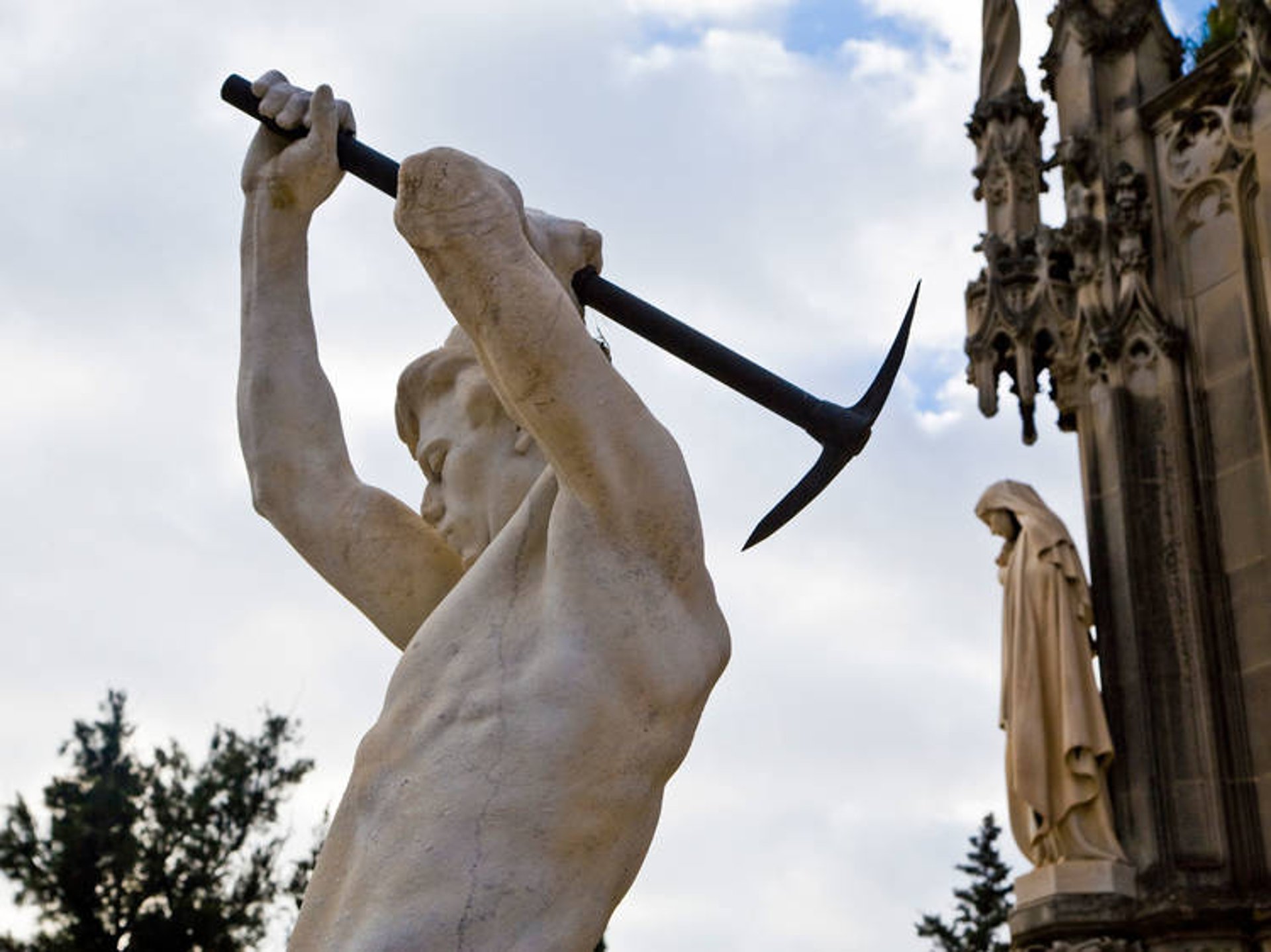
José Balet Duran: A Fleeting Talent in Catalan Architecture


Biographical Summary:
Birth: 07/26/1870
Death: 05/14/1905 (at the age of 34)
Architecture Degree: 08/08/1895
José Balet Duran was shaping up to be one of the great promises of his generation's architecture. He followed in the footsteps of his father, the master builder Domènec Balet Nadal, and after earning his degree in 1895, embarked on a brilliant career.
On a personal level, he married Margarita Anglada Rivera, with whom he had a daughter named Maria Lluisa Balet Anglada.
Unfortunately, his life and promising career were cut short prematurely due to meningoencephalitis. Despite his early passing, his legacy endures in a series of select works that demonstrate his technical and artistic quality.
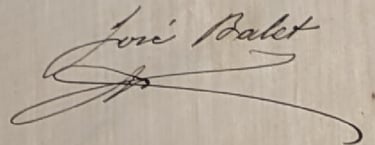
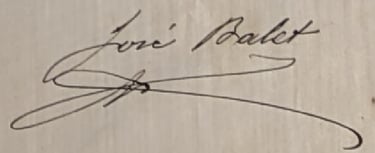
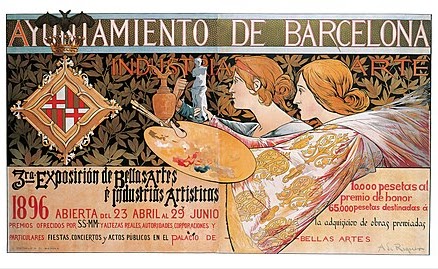
Participation in the Exhibition of Fine Arts (1896)
One year after graduating, José participated in the prestigious Exhibition of Fine Arts and Artistic Industries of Barcelona in 1896. He attended alongside his father, presenting two significant projects:
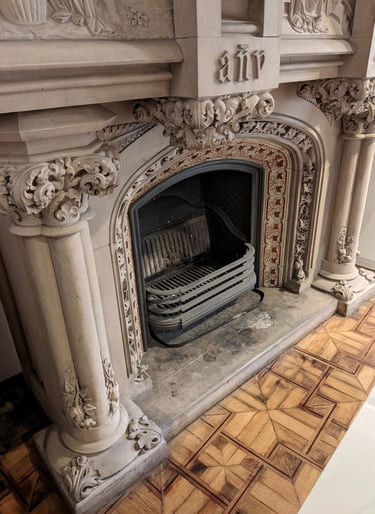
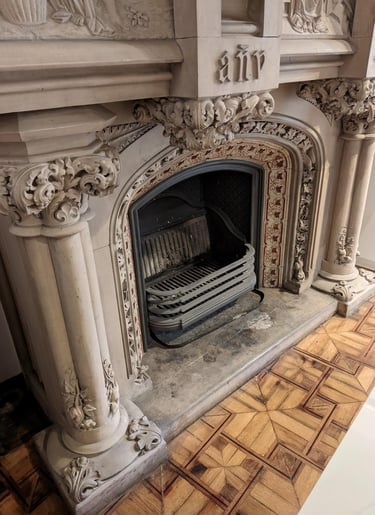
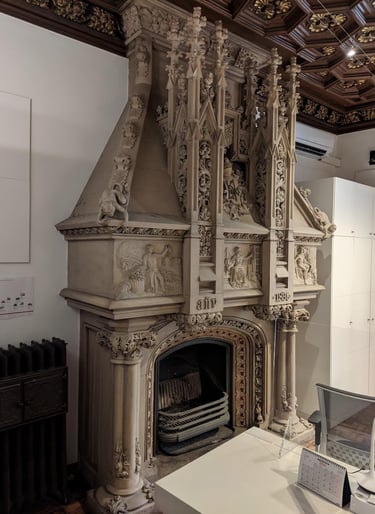
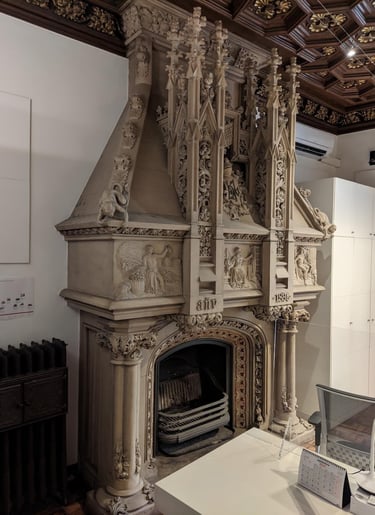
Chimney project for the Josep Portabella house (Realized that same year).
Building project for the Royal Academy of Moral and Political Sciences.
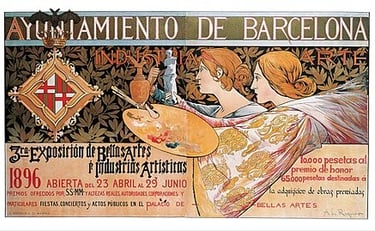
🔍 The Architectural Enigma: Regarding the project for the Royal Academy, to this day it has not been possible to find out exactly which building it was, remaining a fascinating mystery in the study of his work.
The Forgotten Monument of the Seville Cemetery (1897)
In 1897, Seville dreamed of a grand monumental entrance for its cemetery, but the project ended up becoming a historical "ghost".
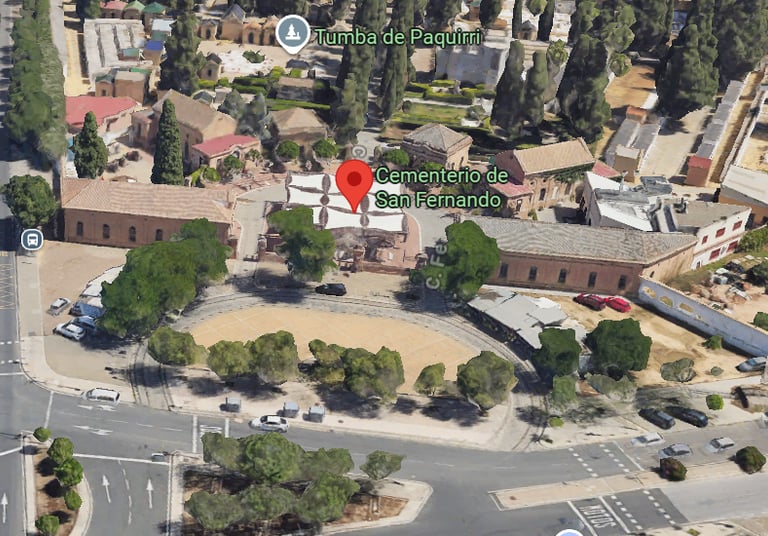
To dignify the San Fernando Cemetery, the City Council summoned the best artists in Spain. 14 proposals from Madrid, Barcelona, and Seville were submitted, seeking to create an "allegorical group" that would impress visitors.
The Competition
The Curiosity
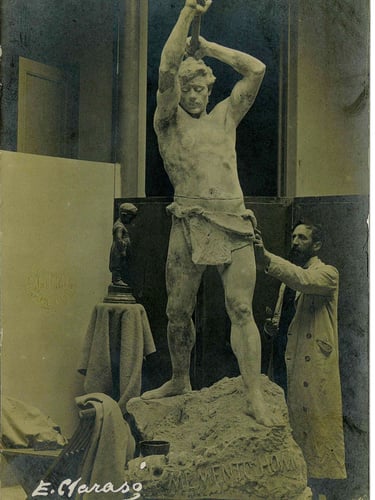
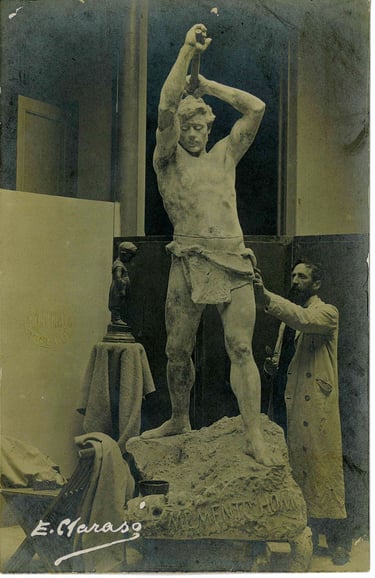
Among the participants were nationally renowned names such as Enric Clarasó, Manuel Gutiérrez Cano, Pedro Carbonell, and Fernando Mosén... but the mysterious "Alpha" proposal by José Balet (now identified as the architect José Balet Duran) stood out.
While others designed angels, he proposed a bold pyramid, breaking with the aesthetics of the time. The highly symbolic ensemble included sculptural groups representing Faith, Hope, Charity, and "Good Works".
A Frustrated Ending
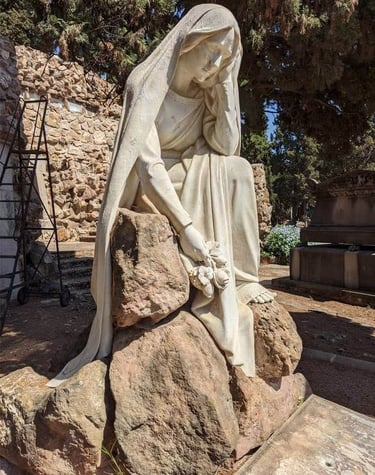
Although the jury declared the Sevillian sculptor Joaquín Bilbao the winner for his work "Faith guiding a soul", the lack of funds doomed the project. The sculpture was never built, and the entrance roundabout remains empty to this day.


Timeline of Notable Works
Although his career lasted barely a decade, Balet i Duran left a significant mark. Below, we explore his known architectural legacy to date:
1895: The Beginning
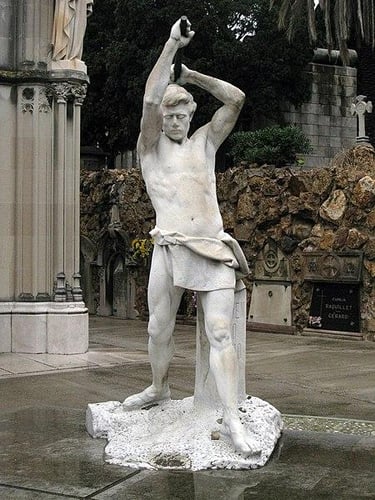
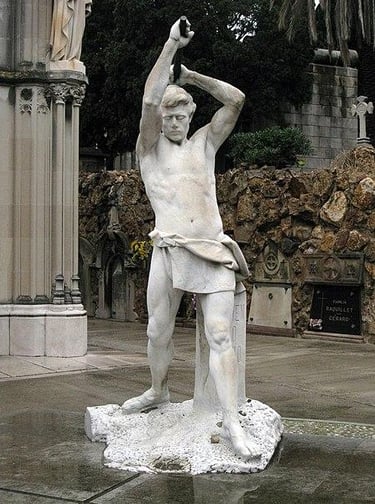
Ernest Niquet Mausoleum: His first known work, completed the same year of his graduation.
1896: Sculptural Design
Casa Portabella Chimney: An example of sculptural work integrated into interior design.
1897: The Jewel of Cassà de la Selva
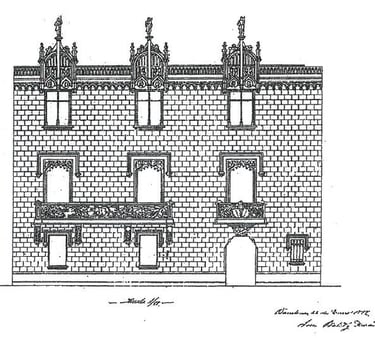
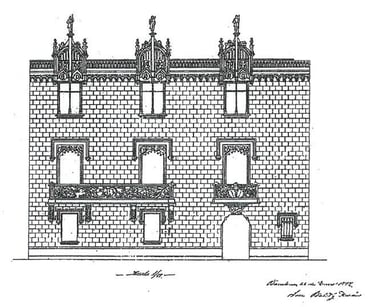
Can Trinxeria Urban Neoclassical Mansion: Located in Cassà de la Selva, it is perhaps one of his most iconic residential works.
Neo-Mudéjar Windmill (Can Trinxeria): Note: Although associated with this complex and year, Balet i Duran's authorship of this specific structure is not yet 100% confirmed.
1902: Funerary Architecture
Vial i Solsona Mausoleum: Balet i Duran returned to funerary architecture with this solemn project.
1904: Modernity and Interior Design
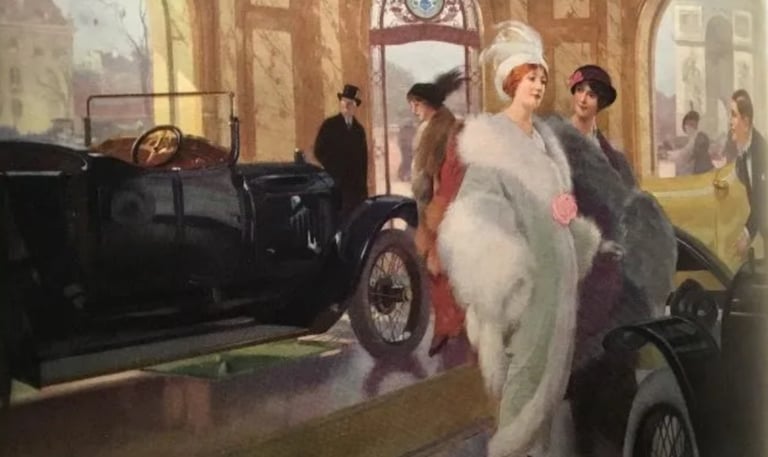
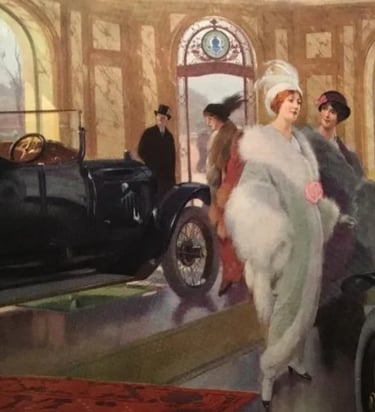
Auto Garage Términus: One year before his death, he designed the interior of this car dealership, demonstrating his versatility and adaptation to the new automotive era.


Sources and Documentation
To ensure the historical accuracy of this biography, the following sources have been consulted:
Diccionari Biogràfic by J.F. Ràfols.
Catalog of Participants in the Exhibition of Fine Arts (1896).
Iconographic Study of Can Trinxeria by Fàtima López Pérez.
Death Registry of the Barcelona Municipal Archive.
Yearbooks of the Association of Architects of Catalonia (1900 and 1907).
Academic article titled: "A frustrated sculptural project for the San Fernando Cemetery in Seville", by Francisco Javier Rodríguez Barberán.

