



Domènec Balet Nadal Master Builder of Barcelona (1844-1915)
The legacy of a modernist Master Builder in Barcelona
Welcome to the only authorized documentary source on the life and work of Domènec Balet Nadal. This digital archive recovers the forgotten history of a key figure in Catalan architecture, bringing together unpublished plans, historical photographs, and the most comprehensive biographical research conducted to date.
We invite you to rediscover his legacy.
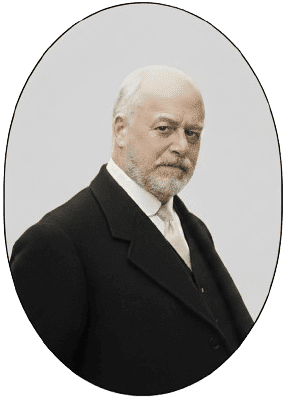


A key Master Builder in the transformation of Barcelona
The career of Domènec Balet i Nadal reveals the undeniable passion of a dedicated professional. From his beginnings as an apprentice, drafting plans in architectural firms long before obtaining his official degree, to establishing himself as a fundamental Master Builder, his career runs parallel to the great urban expansion of Barcelona in the 19th century. To know his work is to understand how the architectural identity of the Catalan capital was forged in an era of peak cultural and construction activity.
Technical versatility: from Neo-Mudéjar to industrial heritage
The catalog of buildings and infrastructures documented in this archive demonstrates exceptional technical and aesthetic versatility, encompassing multiple architectural languages. On the one hand, he was able to introduce the exoticism and ornamental richness of the Neo-Mudéjar style to the city's most prestigious artery, designing the iconic Casa Pere Llibre right on Passeig de Gràcia. On the other hand, his profound technical and innovative capacity allowed him to shape the great engineering of Barcelona's industrial heritage, participating decisively in vital infrastructures such as the Paral·lel Power Plant.
The recovery of a historical architectural legacy
The main purpose of this family cataloging space is to safeguard his memory and highlight his vast contribution to traditional urban development. By documenting every facade, plan, and project in detail, we offer researchers, historians, and heritage lovers a direct window into the roots of the construction movement that shaped the region. This continuous research work ensures that his footprint remains intact for future generations.