


Categorized Projects of Domènec Balet Nadal
The extensive legacy of Domènec Balet i Nadal encompasses a wide variety of building types. To facilitate the study and dissemination of his work, we have organized his projects by category in this section, grouping together the most representative buildings of this illustrious 19th-century master builder.
Browse through the different areas of his work—from imposing residential buildings and cultural spaces to civil and religious architecture—and discover how his technical vision adapted to the urban needs of the era. Select your category of interest below to explore the history, architectural plans, and corresponding graphic documentation:
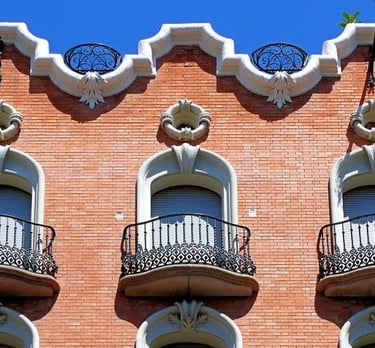
Modernism

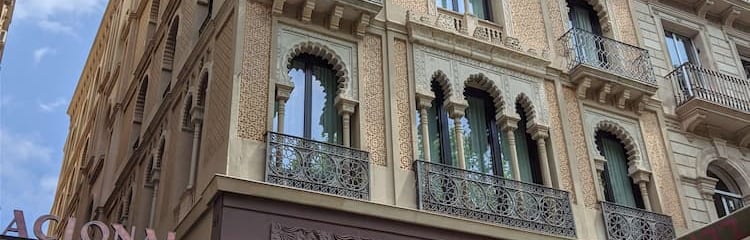
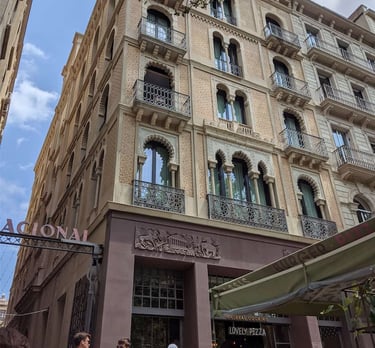
Neo-Mudéjar
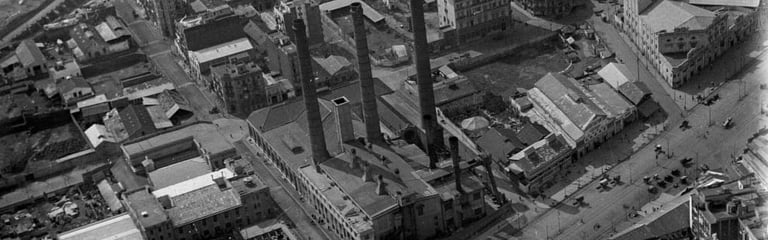
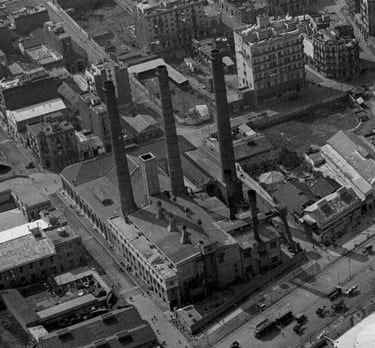
Industrial
Interior Desings
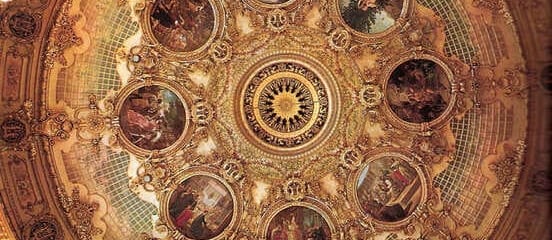
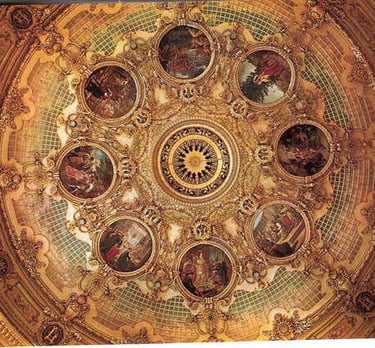
Religious Buildings and Funerary Art


Typological Versatility in 19th-Century Architecture
Classifying architectural projects by category is a fundamental methodological tool for understanding the true technical and artistic scope of a master builder. During the profound urban transformation that Barcelona underwent, top-tier construction professionals did not limit themselves to a single type of commission. Through this thematically organized digital archive, an extraordinary capacity for adaptation is evident in the face of new urban regulations, the demands of an emerging bourgeoisie, and the cultural needs of society.
From Bourgeois Residences to Monumental Architecture
The continuous review of historical architectural plans, photographic archives, and documentary records confirms the execution of projects of a highly diverse nature. The residential architecture of the era reflects the evolution of facades and the transition toward more complex ornamental and aesthetic solutions. At the same time, civil and cultural commissions, as well as funerary architecture—such as majestic mausoleums—demanded an absolute mastery of materials, structural calculations, and an artistic sensitivity designed to endure for centuries.
Context and Rigor in Archival Classification
Grouping each work into its corresponding category allows researchers, historians, and heritage enthusiasts to analyze the construction solutions used in each discipline in a structured manner. All the information presented in these sections is the result of a meticulous process of digitizing and organizing historical memory. This categorization effort ensures that every architectural plan, press record, and rediscovered architectural detail is presented in the proper context, facilitating a detailed study of the overall impact these buildings had on the modern urban landscape.