


The Secret of Harmony: The Golden Ratio in Casa Pere Llibre on Paseo de Gracia
Roger Tarrats Balet
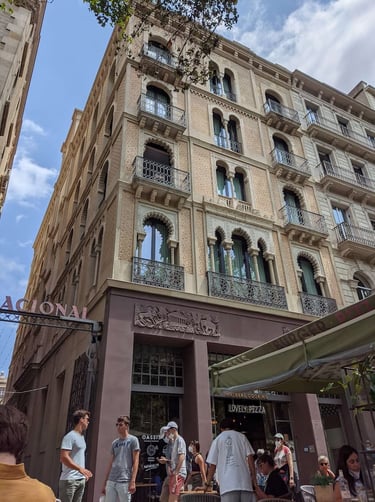
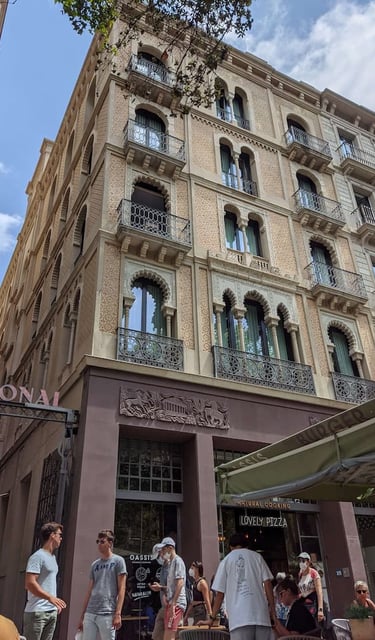
Barcelona is an open-air museum, but its most fascinating treasures are those that require a deeper look. Today we stop at Paseo de Gracia, 24, where Casa Pere Llibre stands, one of the most singular works of the master builder Domènec Balet Nadal.
Beyond its exotic neo-Mudejar facade, there is an invisible mathematical code that dictates its beauty: the golden ratio.
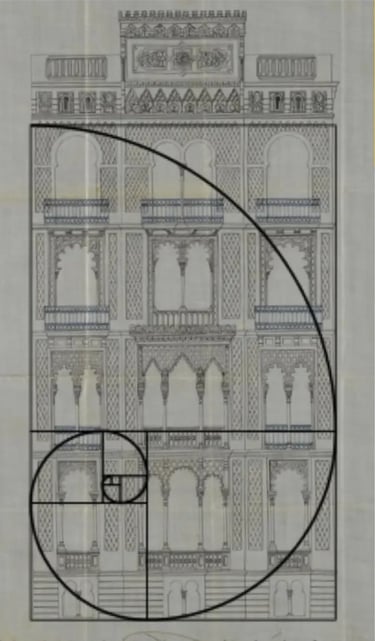
Plano original Domènec Balet. Superpuesta la Proporción Áurea
The "Alhambra" of Paseo de Gracia
The Casa Pere Llibre is an exercise in virtuosity. Its sgraffito, recovered in the recent restoration for the Hotel Praktik Essens, and its forge work are the wrapping of a perfectly proportioned body.
It is fascinating to think that, beneath that Orientalist skin, beats a heart of pure geometry. Balet i Nadal demonstrated that the neo-Mudejar style was not at odds with academic rigor; on the contrary, golden mathematics is what allows such rich decoration not to result in chaos.
A Legacy that Endures
Today, after celebrating its 150th anniversary, the Casa Pere Llibre still stands as a testament to the genius of Domènec Balet Nadal. While its twin was demolished, this estate resists time, reminding us that great architecture is that which knows how to combine the most exuberant art with the eternal laws of geometry.
The next time you walk through Barcelona, stop at number 24 of the "golden mile." Observe its windows, its balconies, and its symmetry. You will be contemplating, in the heart of the 21st century, the same code of beauty that the Greeks called "the divine proportion."
To learn more: You can consult original blueprints and the detailed history of the Llibre family on the building's official website: Casa Pere Llibre.


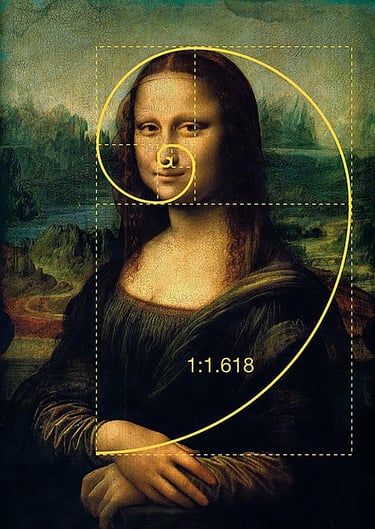
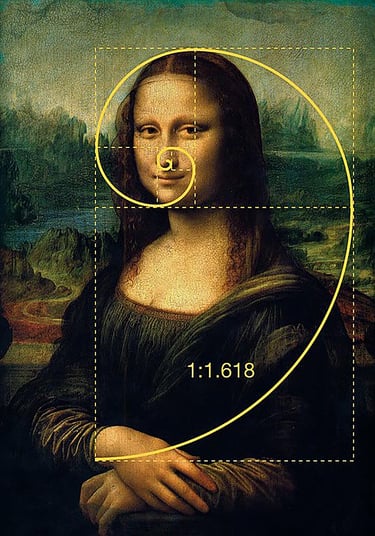
What is the Golden Ratio and Why is it Here?
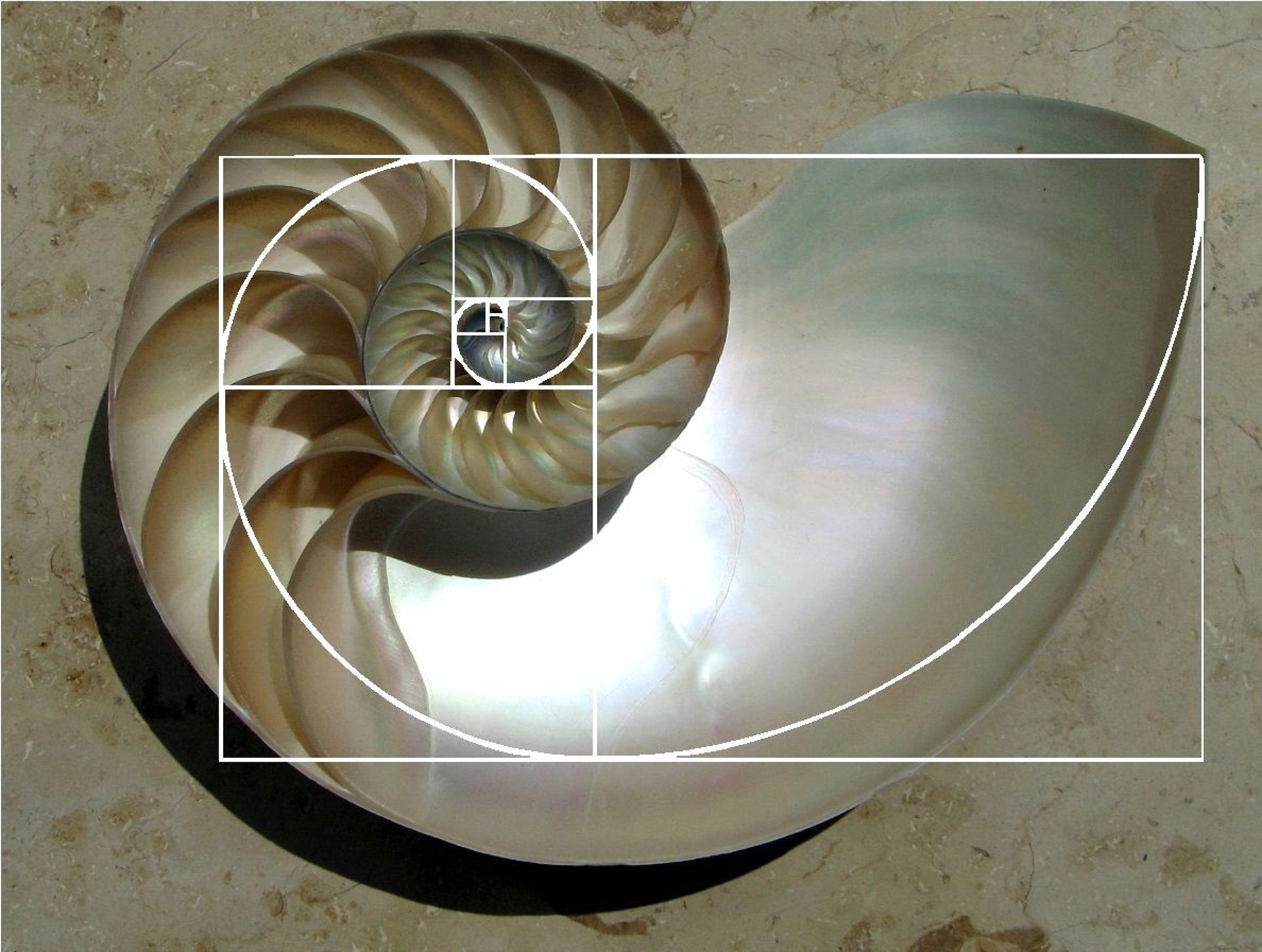
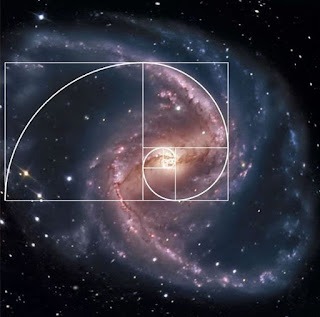
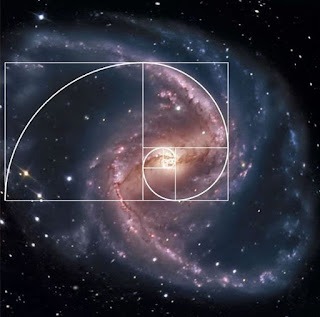
To understand the magnetism of this building, we must understand the golden number or golden ratio. It is an irrational number that governs the most harmonious forms of nature: from the spiral of a galaxy to the distribution of leaves on a stem.
In architecture, it is used to create the "Golden Rectangle." A space is considered visually "perfect" when the relationship between its major side and its minor side approaches this figure. Balet i Nadal used this "divine proportion" as the base of his design to achieve:
Natural Balance: By using the golden ratio, the building does not feel heavy or artificial. The human eye instinctively recognizes these measurements as "correct" and harmonious.
Hierarchy of Heights: The relationship between the height of the main floor and the upper floors follows a mathematical progression. This explains why, even when Pere Bassegoda added an extra floor in 1890, the building maintained its elegance: Balet's original golden scale was respected.
Rhythm in the Arches: The iconic horseshoe arches (inspired by the Alhambra) do not have random measurements. Their width and curvature are calculated to fit into this invisible geometric grid, creating a visual rhythm that guides the viewer's gaze without tiring it.
Domènec Balet Nadal: The Master Builder of Precision
Projected in 1871, Casa Pere Llibre was born in a context where the Barcelona bourgeoisie sought palatial buildings that would impress. Balet, with rigorous technical training, did not limit himself to "decorating" a facade. According to the archives of the official website www.CasaPereLlibre.com, the original project responded to a perfect symmetry, forming a twin ensemble with the now-disappeared Casa Vilumara.
Support this Project
If you buy through these links, you contribute to our technical costs while paying exactly the same.