

The Industrial Heritage of Domènec Balet: 3 Engines That Transformed Spain
Roger Tarrats Balet
At the end of the 19th century, the Barcelona urban landscape was not only transformed by the construction of bourgeois palaces in the Eixample, but it also established itself as a first-rate economic engine. Behind this revolution of industrial architecture in Barcelona lies the figure of the Master Builder Domènec Balet i Nadal.
By analyzing the industrial projects of his authorship that we have documented, we discover that Balet did not just erect buildings, but built the infrastructures that would change the country forever. The impact of these three historical factories for Catalonia and for all of Spain was colossal: together, they embody the arrival of electric light to the streets (being one of the first installations in the world), the greatest revolution of the graphic arts at a national level driven by steam, and the constant evolution of Catalan metallurgy.
Below, we chronologically review these three jewels of Domènec Balet's industrial heritage that marked a before and after in our history.
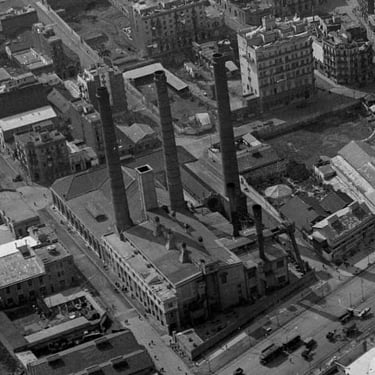
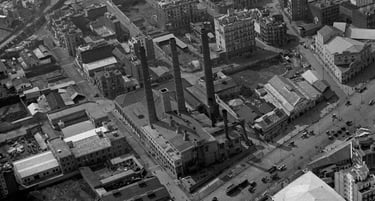
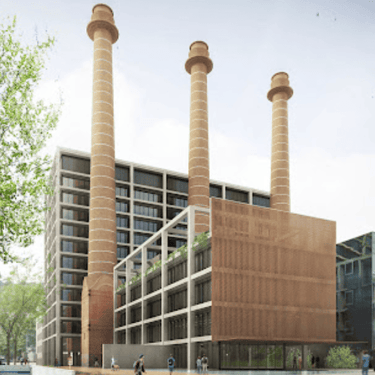
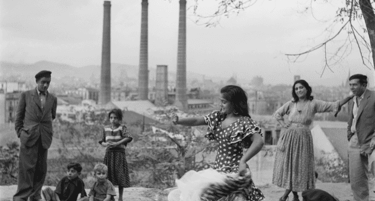
1. The Three Chimneys of Paral·lel (La Canadenca) – Sociedad Española de Electricidad (1883)
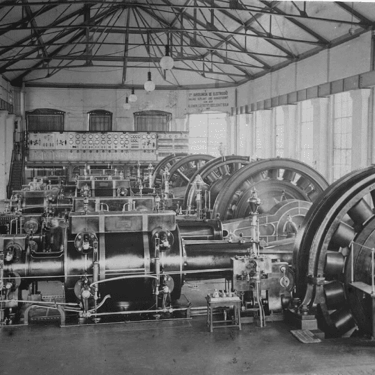
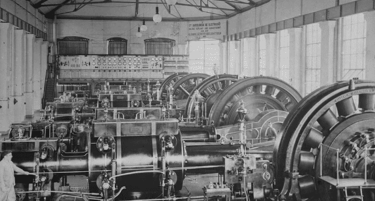
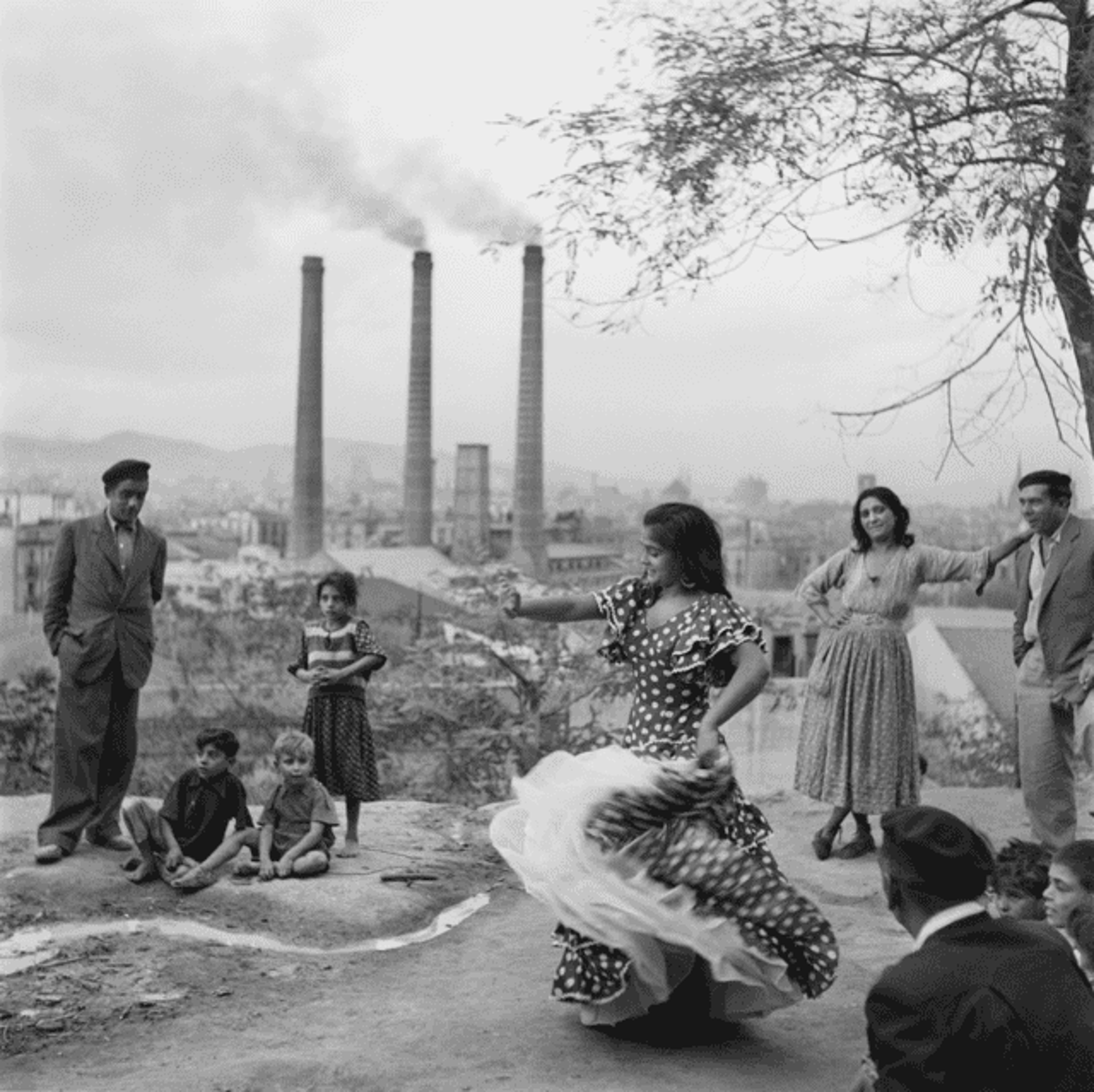
Balet's first major industrial milestone literally changed the way the city saw the world. In 1883, the thermal power plant of the Sociedad Española de Electricidad began construction in the heart of Poble Sec, at a time when the Catalan capital still operated on gas.
The impact of this architectural work was gigantic, as it was a cutting-edge facility that brought electricity to Barcelona and was crowned as the first power plant in Spain and one of the first in the world.
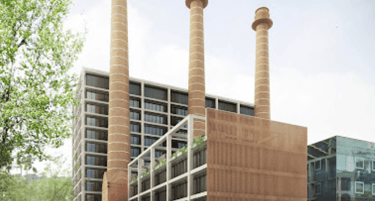
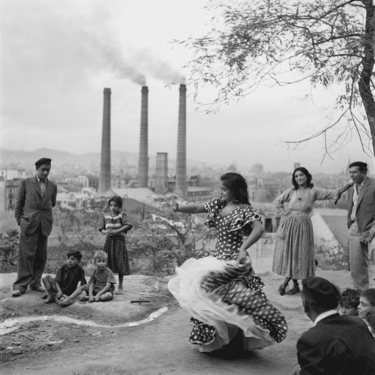
Working alongside engineer Narcís Xifra, Domènec Balet built this complex from which we today preserve its three iconic red brick chimneys (the first of them erected in 1896). But its relevance was not only technological, but also of profound social impact: in 1919, under the ownership of the parent company popularly known as "La Canadenca", this plant was the setting for a historic strike that paralyzed the city. Thanks to it, Spain became one of the first countries in the world to establish the 8-hour workday by law.
Today, this industrial heritage remains alive, perfectly integrated into the public gardens of Avinguda del Paral·lel and the current offices of Red Eléctrica de España.
👉 Discover more about the history, blueprints, and images of The Three Chimneys of Paral·lel here.
Support this Project
If you buy through these links, you contribute to our technical costs while paying exactly the same.
The architectural treasure that survived to the present day
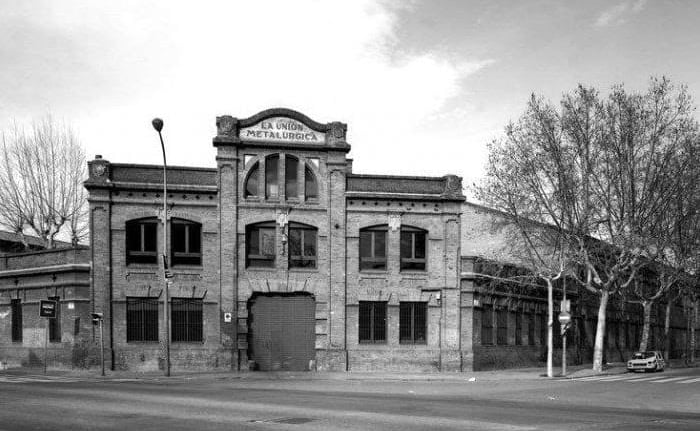
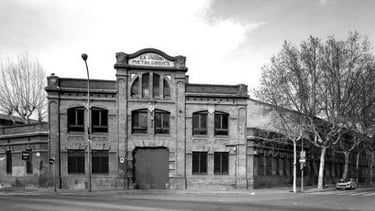
As a fact of great heritage value, most of this immense factory complex was demolished in 2004 to make way for the technological modernization of the 22@ district. However, the entrance pavilion, signed in the 1914 renovation by Josep Plantada Artigas, is the only vestige that was saved from the wrecking ball.
Today, strolling down 119-123 Almogàvers Street, citizens can still admire this surviving jewel that stands out for its exquisite exposed brickwork, its artificial stone medallions, and, above all, the large undulating ceramic mosaic that crowns the facade proudly displaying the name of "La Unión Metalúrgica".
While the company continues to operate today at another location, this solitary yet imposing pavilion keeps alive the memory of those first workshops designed by Domènec Balet Nadal.
👉 Learn more about the fascinating evolution of La Unión Metalúrgica by visiting the project here.
3. La Unión Metalúrgica (1898): The resilient legacy of Poblenou
At the threshold of the new century, in 1898, Balet designed the large factory in the heart of Poblenou (Carrer dels Almogàvers) that would consolidate La Unión Metalúrgica.
The relevance of this building lies in the fact that it perfectly represents the history of the evolution and resilience of Catalan industry. The industrial complex was born to accommodate the ingenuity of Dionisio Bobín Sirot, who in 1891 had patented a truly revolutionary system for threading and stamping metals without waste. The factory built by Balet allowed the expansion of the business, which in 1903 was transformed into a large corporation dedicated to the purchase, sale, and smelting of iron and other metals.
The impact and long-standing tradition of this company led it to survive numerous historical changes: from its collectivization during the Civil War (being renamed "Colectividad Obrera" to supply the war industry), to the relentless advance of Barcelona's urban development. At the beginning of the 20th century, Balet's original buildings came into conflict with the layout of the Pla Cerdà, which is why the architect Josep Maria Plantada carried out a profound remodeling between 1908 and 1914 to adapt the facades.
2. Henrich i CiA Graphic Arts Factory and Workshops (1886)
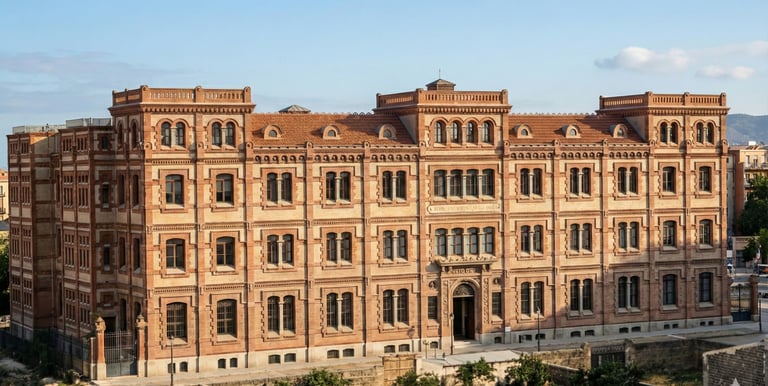
Only three years later, in 1886, Balet designed a colossal structure of 6,000 square meters in the then new Barcelona expansion, spanning the block delimited by Pau Claris, Còrsega, Roger de Llúria streets and Avenida Diagonal. The engineer and future mayor of the city, Manuel Henrich, commissioned him to build what would not be just any printing house, but the most important and active typographic company in all of Spain.
The impact of the Henrich i CiA factory represented an absolute revolution for the national publishing sector. Its figures and technical advances speak for themselves:
It provided work for nearly 800 operators.
It introduced steam power on a large scale, housing 200 machines.
It was a pioneer in the country by introducing novel techniques such as photogravure and heliography.
In its historic workshops, the well-known newspaper La Publicidad was printed.
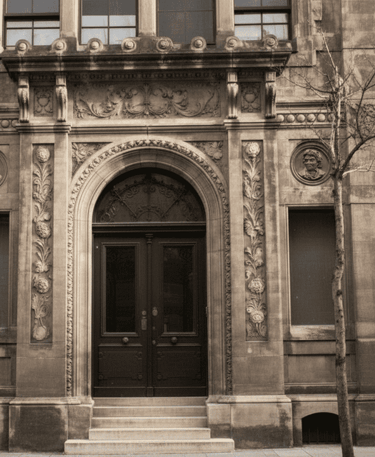
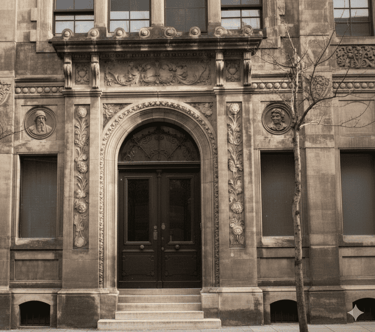
In its era of splendor, its immense chimney was a lighthouse visible from the Diagonal. Furthermore, its main entrance on Còrsega street paid a monumental tribute to innovation, flanked by busts of Johannes Gutenberg (inventor of the printing press) and Aloys Senefelder (creator of lithography). Sadly, a victim of the urban transformation of the Eixample, Balet's original building was demolished after having housed subsequent companies such as Unicolor S.A. and the pharmaceutical company Bayer.
👉 Explore all the architectural details of the Henrich i CiA Factory at this link.