


The Barcelona Wax Museum
Roger Tarrats Balet
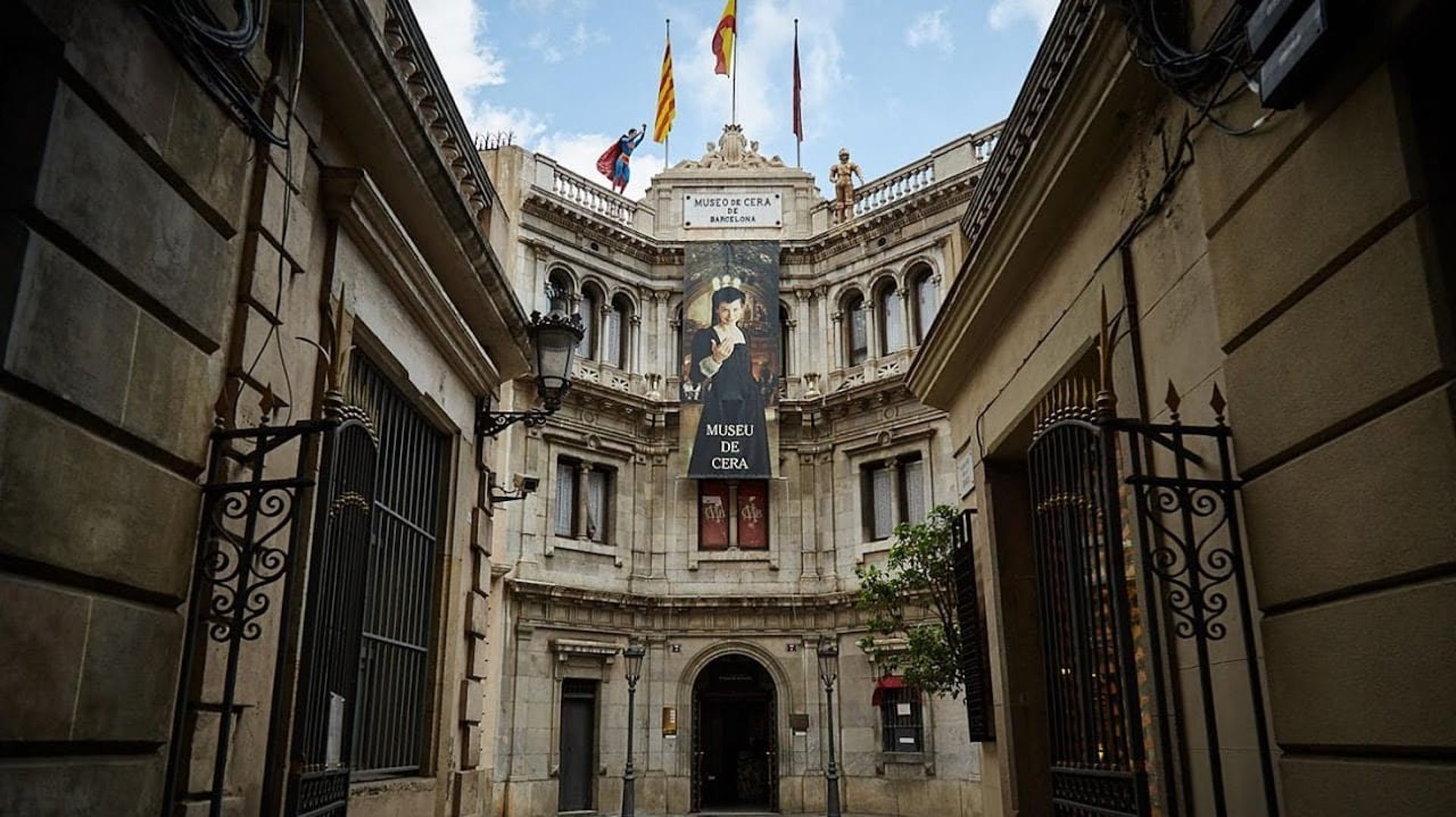
The Barcelona Wax Museum: The Neoclassical Headquarters by Domènec Balet (1873)
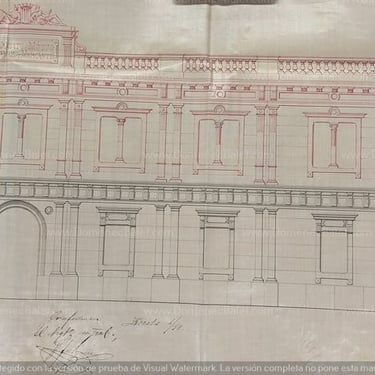
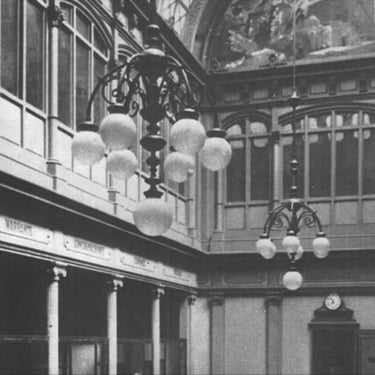
Few visitors who venture into the mysterious Barcelona Wax Museum know they are stepping foot in one of the most unique financial buildings of the 19th century. Before housing historical figures, this imposing building was the headquarters of the General Credit Company "El Comercio" and later the Bank of Barcelona.
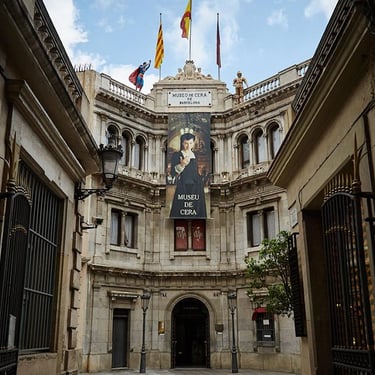
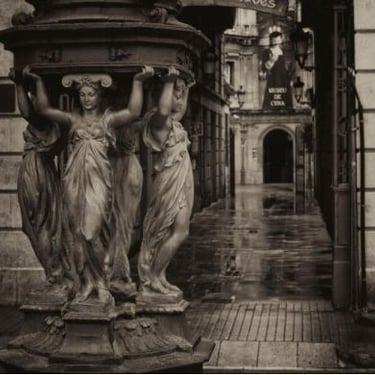
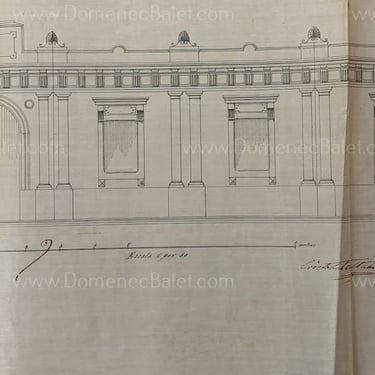
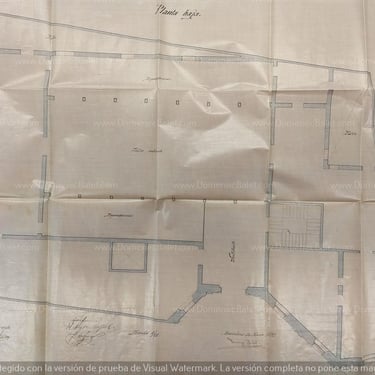
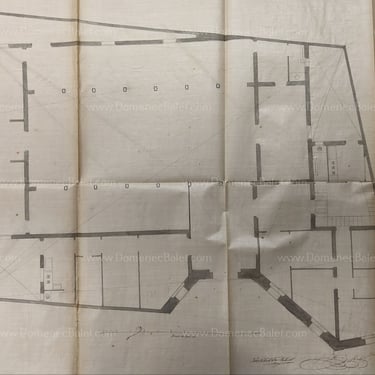
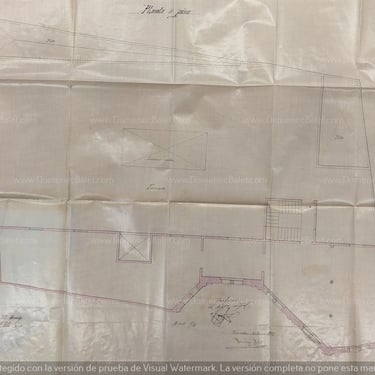
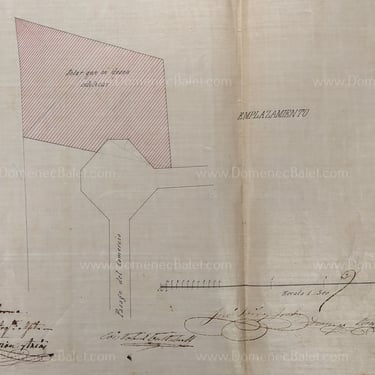
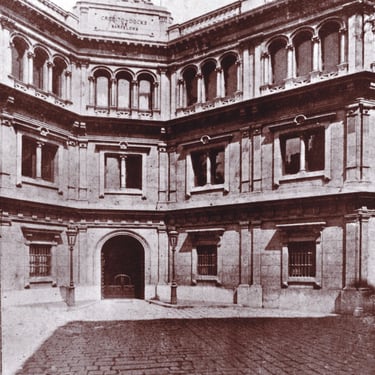
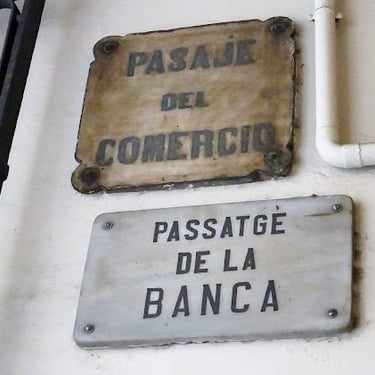
Originally built in 1873 by Master Builder Domènec Balet i Nadal, the building is the heart of a unique architectural ensemble in the Passatge de la Banca, designed to convey the solidity and prestige of the Catalan bourgeoisie.
Architectural Origin: From "El Comercio" to "Caja Vilumara"
The initial 1873 commission came from Mr. Cristóbal Taltabull (father of the famous composer of the same name). Balet designed a neoclassical, sober, and elegant ground-floor structure intended for banking activity.
The evolution of the building is a reflection of the city's economic history:
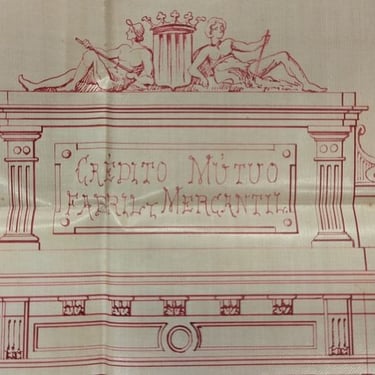
1892 - The first expansion: Mr. Pablo Sadó Pérez, manager of the well-known Caja Vilumara (Crédito Mutuo Fabril y Mercantil), commissioned Domènec Balet to add a second story. This renovation incorporated key decorative elements, such as the balustrade and the plaque with the institution's name.
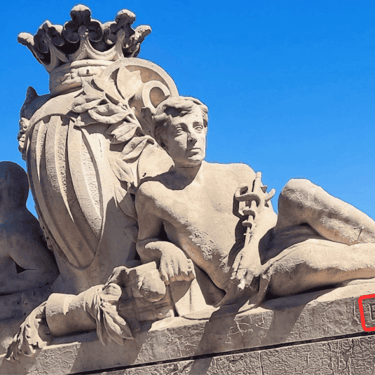
The Balet & Clarasó discovery (2022): Recent research has revealed a previously unknown fact: the sculpture crowning the building is the work of the famous Modernist sculptor Enric Clarasó i Daudí, a regular collaborator of Balet, whose authorship of this piece had remained unknown until now.
Evolution: From the Bank of Barcelona to the Wax Museum
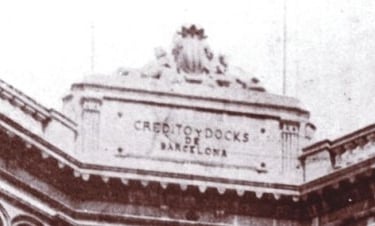
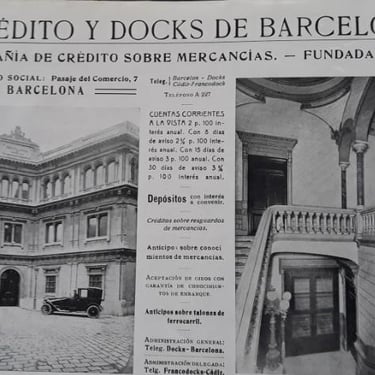
In 1914, Caja Vilumara merged with the Bank of Barcelona, which acquired the building and commissioned architect Josep Oriol Mestre to add a third story. After the bank's bankruptcy in 1922, the property passed into the hands of "Crédito y Docks".
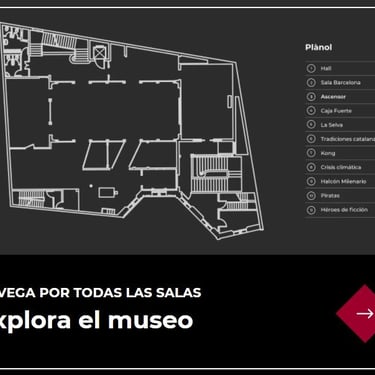
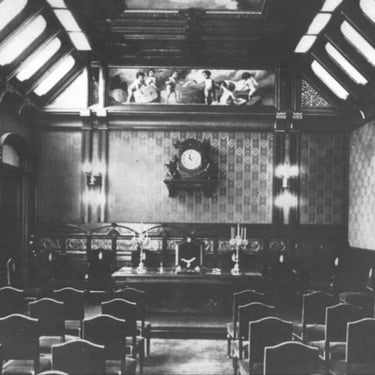
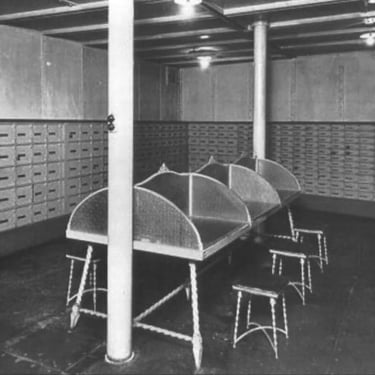
It wasn't until 1973 that set designer Enrique Alarcón saw in this building the perfect setting for his most ambitious project. Fascinated by the mystery and charm of its neoclassical architecture, he transformed it into the current Wax Museum, preserving intact jewels such as the old boardroom and the original safe deposit boxes.
Project Fact Sheet
Original project: Headquarters of the General Credit Company "El Comercio".
Architect: Domènec Balet i Nadal (1873 and 1892 expansion).
Year built: 1873.
Original client: Mr. Cristóbal Taltabull.
Style: Eclectic Neoclassicism.
Location: 7 Passatge de la Banca (Barcelona).
Facade sculpture: Enric Clarasó i Daudí (2022 discovery).
Current use: Barcelona Wax Museum.
Frequently Asked Questions (FAQs)
What was the building before it was a museum?
The building was constructed for banking purposes. It first housed the General Credit Company "El Comercio," then Caja Vilumara, and finally served as the headquarters for the Bank of Barcelona until its bankruptcy in 1922.
What original parts by Domènec Balet are preserved?
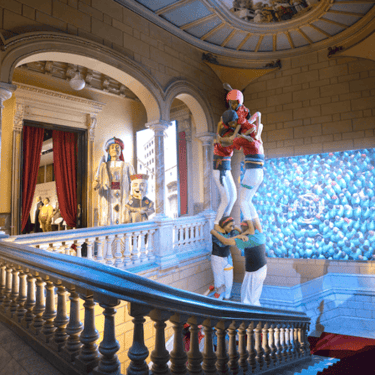
The general structure, the neoclassical facade, and the 1892 second-story expansion are preserved. Inside, elements such as the grand staircase and the solemn atmosphere are a direct legacy of Balet's original design.
Who made the sculptures on the facade?
Thanks to recent research in 2022, we know that the sculpture crowning the building was created by Modernist sculptor Enric Clarasó, a friend and collaborator of Domènec Balet.
Image Gallery:
Support This Project
If you purchase through these links, you help cover our technical costs at no extra cost to you.