

Rusiñol Family Mausoleum
Roger Tarrats Balet
Rusiñol Family Mausoleum: Art, Friendship, and Architecture (1892)
The relationship between Domènec Balet and the great figures of Catalan Modernism goes beyond civil buildings. In 1892, two of the most illustrious names of the era, Santiago Rusiñol i Prats (the famous painter, writer, and playwright) and his brother Alberto Rusiñol (a businessman and politician), entrusted Balet with designing their family's place of eternal rest.
This mausoleum is not just an architectural work; it is the result of the union of three talents: the architect, the artist client, and the sculptor friend.
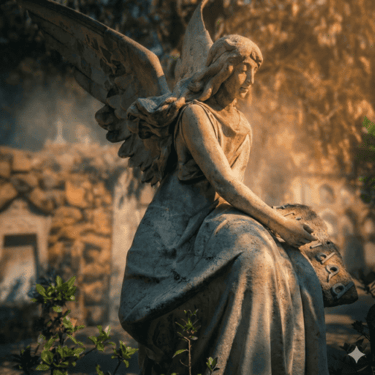
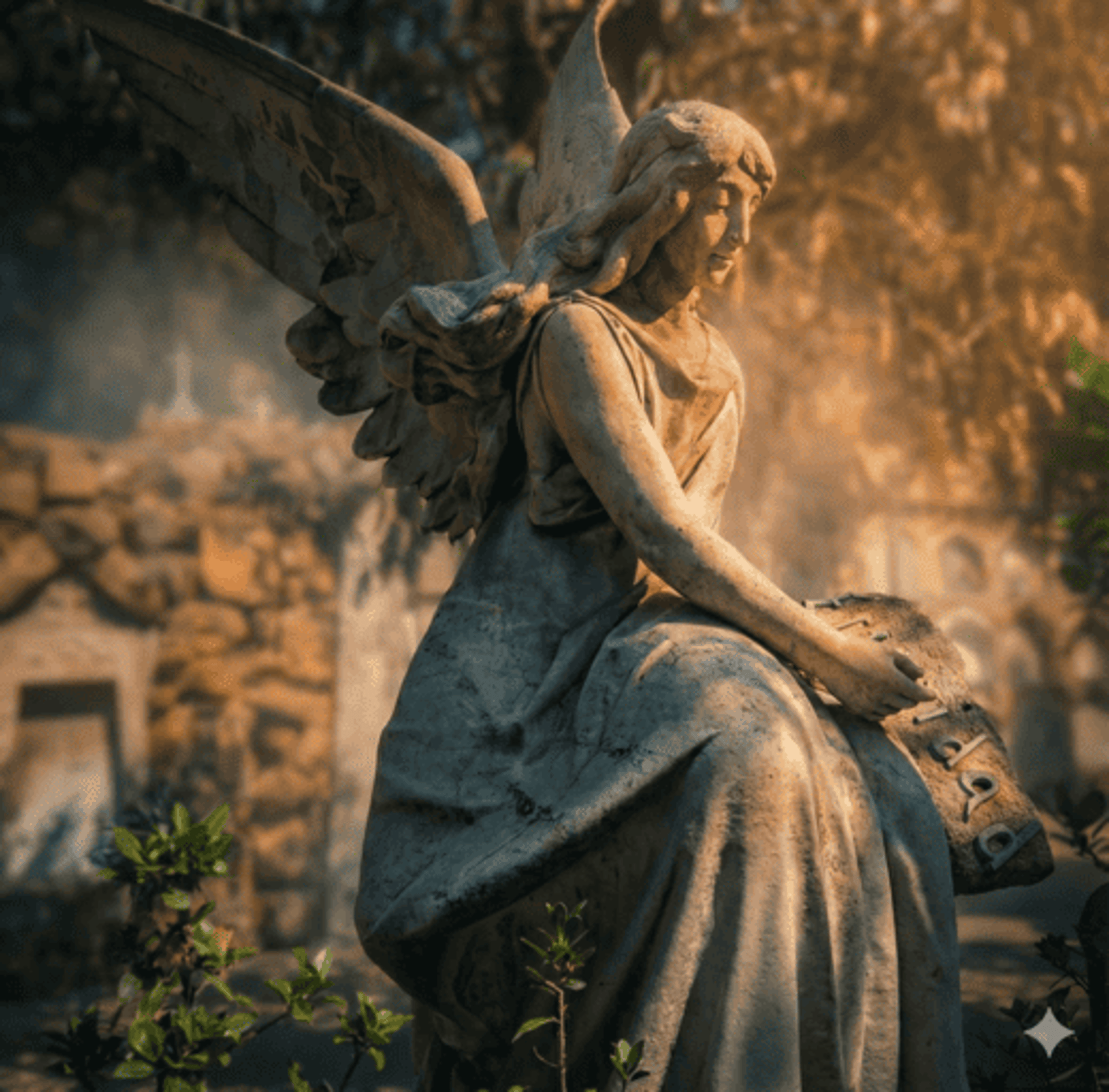
A Collaboration of Art and Friendship: Enric Clarasó
For the sculptural part of the mausoleum, the choice was indisputable: Enric Clarasó.
Clarasó's presence in this project has a profound double meaning:
The professional connection: Clarasó was a regular collaborator of Domènec Balet, who commissioned him for the sculptural decoration of several of his works, fully trusting his modernist sensibilities.
The personal connection: Enric Clarasó and Santiago Rusiñol maintained a close and unwavering friendship throughout their lives. Alongside Ramon Casas, they formed the most famous artistic trio of Catalan Modernism (known for their stays at the Cau Ferrat in Sitges and their travels by wagon through Catalonia). The fact that Clarasó sculpted his best friend's family mausoleum adds an incalculable sentimental value to the work.
Origin: A Project Signed by Three Illustrious Figures
The construction was formalized on August 17, 1892. What makes this project exceptional, beyond its architecture, is the original commission document: on the preserved blueprints, the joint signatures of Santiago Rusiñol, Alberto Rusiñol, and Domènec Balet himself can be seen stamped.
Curiously, despite the importance of its authors, Domènec Balet's name is not cited on the cemetery's historical itinerary signs, a fact recovered thanks to research into the original archives.
Location and Curious Facts
The mausoleum is located in the Montjuïc Cemetery (South-West), specifically on plot number 16 of Vía Santa Eulàlia (Agrupación 3ª).
The Family Mausoleum: This is the one designed by Domènec Balet and sculpted by Clarasó in 1892.
The Tomb of Santiago Rusiñol: The famous artist, however, is not buried here, but in another nearby mausoleum alongside his wife, Lluïsa Denís.
Project Data Sheet
Project: Rusiñol Family Mausoleum.
Architect: Domènec Balet i Nadal.
Sculptor: Enric Clarasó.
Year of construction: August 17, 1892.
Clients: Santiago Rusiñol i Prats and Alberto Rusiñol i Prats.
Location: Montjuïc Cemetery (Agrupación 3ª, Vía Santa Eulàlia, Plot No. 16).
Frequently Asked Questions (FAQ)
Who made the sculpture for the mausoleum?
It was the work of Enric Clarasó, a modernist sculptor who frequently collaborated with Domènec Balet on other works and who, furthermore, was a great, intimate friend of Santiago Rusiñol.
Is Santiago Rusiñol buried in this mausoleum?
No. Although Santiago Rusiñol commissioned and signed the blueprints for this family mausoleum alongside his brother, he rests in another nearby grave within the same cemetery.
What was the relationship between Balet, Rusiñol, and Clarasó?
They formed a circle of collaboration and respect. Rusiñol (the client) commissioned the work from Balet (the architect), and he counted on Clarasó (the sculptor and Rusiñol's dearest friend) to execute the artistic part, closing a perfect circle of trust.
Image Gallery: