

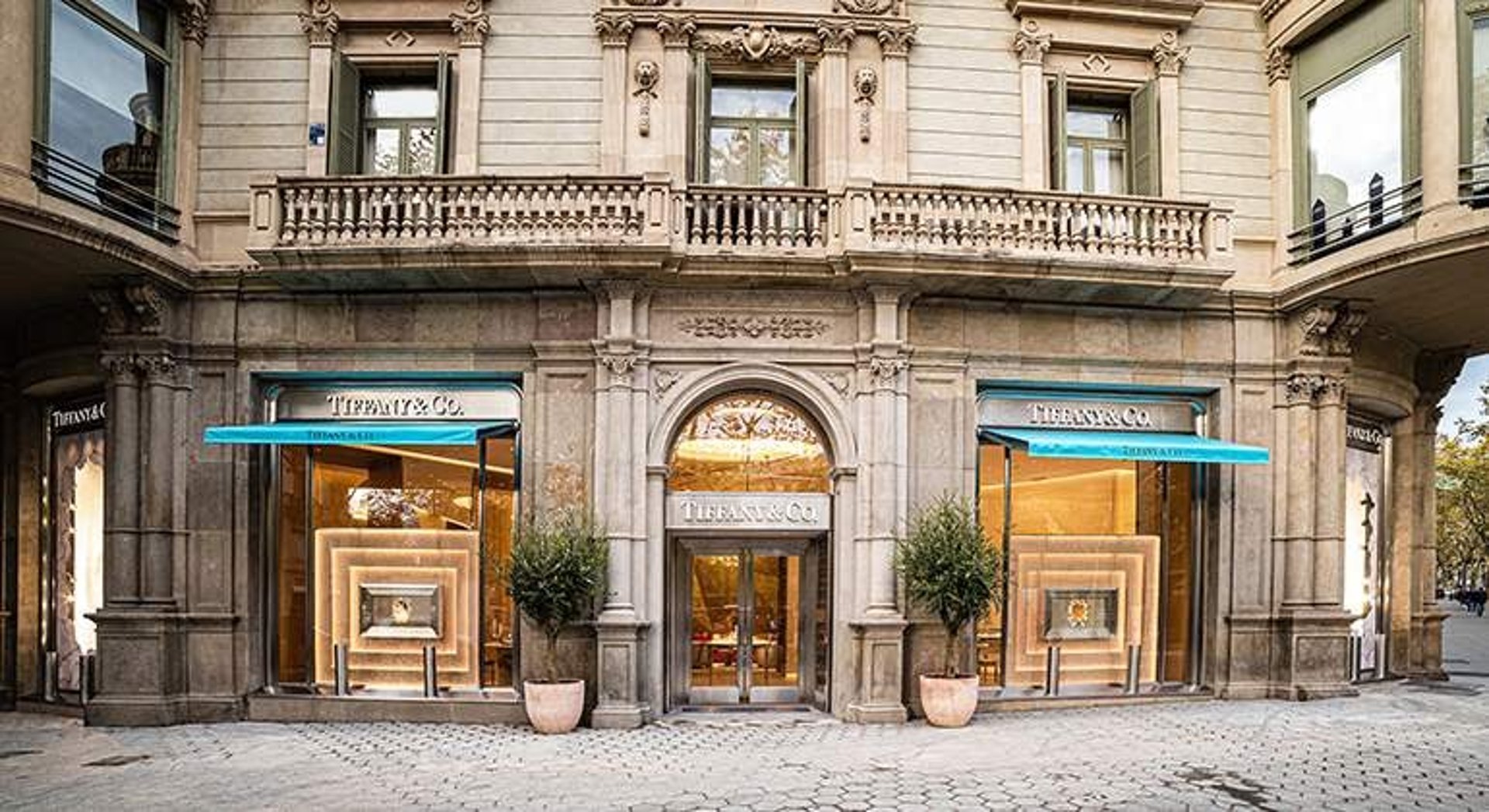
Francisco Vilumara House
Roger Tarrats Balet
Francisco Vilumara House: The Legacy of Domènec Balet and the Silk Empire at Passeig de Gràcia 61
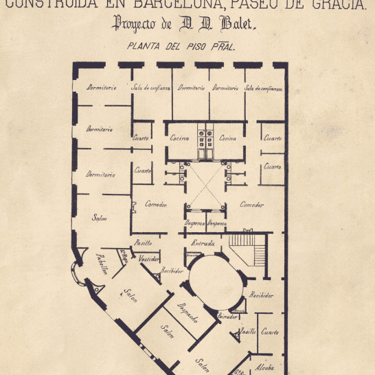
Passeig de Gràcia has historically been the great showcase of the Catalan bourgeoisie, a boulevard where great fortunes competed to have the most spectacular residence. In this context, Master Builder Domènec Balet i Nadal designed Casa Francisco Vilumara in 1872, an elegant residential building located at the coveted number 61 of this avenue.
This project not only consolidates Balet as the primary architect for the Barcelona elite but is also the architectural reflection of the immense economic power of one of Catalonia's most important industrial dynasties: the Vilumara family.
Who Was Francisco Vilumara? The Silk Empire
To understand the magnitude of this house, one must understand who paid for it. Francesc (Francisco) Vilumara belonged to a historic dynasty of "mestres velers" (silk weavers) whose origins in the trade date back to the 17th century in Barcelona.
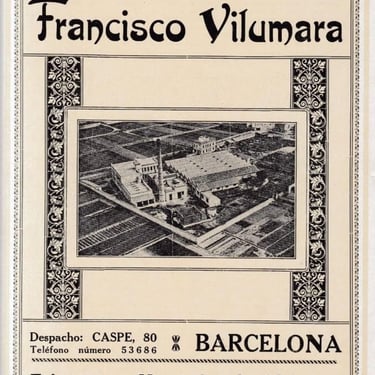
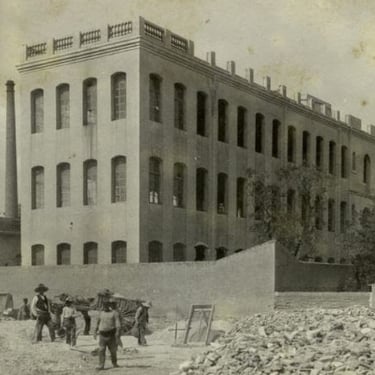
In the mid-19th century, Francisco took the family business to its greatest splendor. Sederías Vilumara became a giant of the textile industry, with a huge factory located in L'Hospitalet that came to have dozens of looms and hundreds of workers.
The fortune amassed from importing and manufacturing high-quality silks allowed Francisco Vilumara to commission Domènec Balet to construct his dream residence on the newly urbanized Passeig de Gràcia, the place "to be" in order to demonstrate social success.
Architectural Origin: Trust in Domènec Balet
Located at Passeig de Gràcia 61, the house was conceived as a stately residence adapted to the canons of elegance of the emerging Eixample district.
The relationship between Francisco Vilumara and Domènec Balet transcended this single commission. The silk industrialist fully trusted the Master Builder, making him the family's architect. As a result of this patronage, Balet not only built this house but also designed for them:
The majestic Neo-Egyptian family mausoleum in the Poblenou cemetery.
The family's bank headquarters, the Caja Vilumara (today the Wax Museum).
The urban layout of the extensive lands the Vilumaras owned in the Santaló and Travessera de Gràcia area.
Evolution: From the 19th Century to Contemporary Luxury
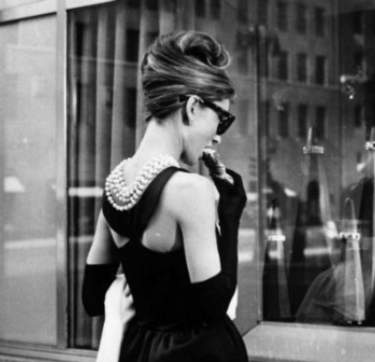
Like many buildings on Passeig de Gràcia, the property at number 61 has witnessed countless transformations. Balet's original building has evolved over the decades, adapting its ground floors to the demanding needs of high-end retail (today, this address is famous for housing international luxury brands, such as the Tiffany & Co. jewelry store).
However, to remember the history of Casa Francisco Vilumara is to remember that before the global storefronts, this corner of Barcelona was a home forged by the silk trade and the architectural talent of Domènec Balet.
Project Data Sheet
Project: Casa Francisco Vilumara.
Architect: Domènec Balet i Nadal.
Project Year: 1872.
Client: Francisco Vilumara (Silk industrialist).
Location: Passeig de Gràcia, 61 (Barcelona).
Original Use: Bourgeois residential.
Current Status: Modified / Commercial, office, and residential use.
Frequently Asked Questions (FAQ)
What did Francisco Vilumara do for a living?
Francisco Vilumara was one of the most important textile industrialists in 19th-century Barcelona. He belonged to a long lineage of silk weavers and owned Sederías Vilumara, a gigantic factory that produced highly prestigious silks and scarves.
Where exactly is the house located?
The historical building designed by Domènec Balet was located at number 61 Passeig de Gràcia, one of the most exclusive areas of Barcelona's Eixample.
What other projects did Balet do for the Vilumara family?
The family entrusted Balet with a large part of their real estate assets. He designed their spectacular Egyptian mastaba-shaped mausoleum in Poblenou, the Caja Vilumara headquarters on Las Ramblas, and the urban development of their lands in Sant Gervasi.
Image Gallery: