


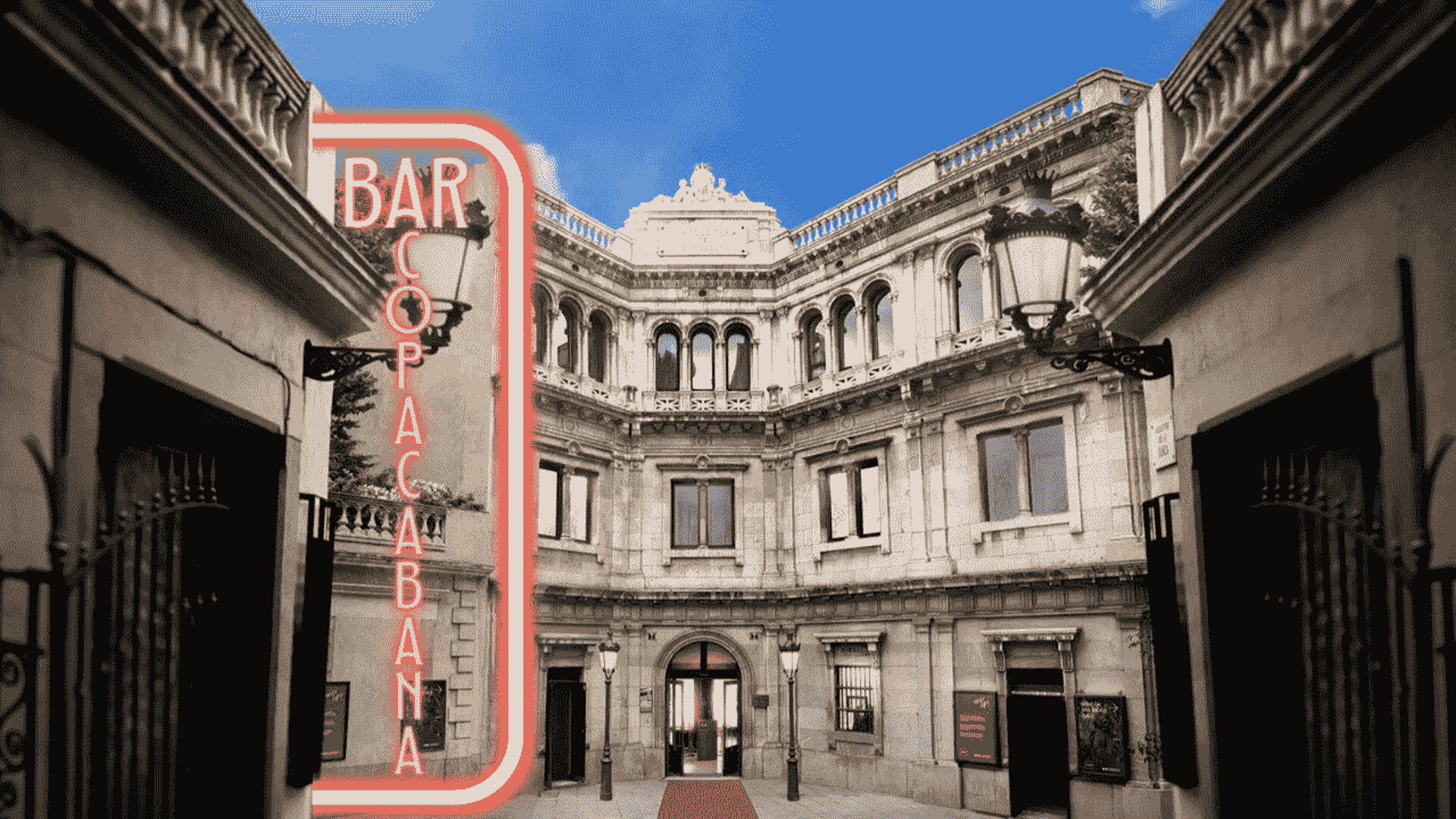
Copacabana Bar
Roger Tarrats Balet
The Copacabana Bar: From Warehouse to Movie Set (1880)
In the hidden Passatge de la Banca, right across from the Wax Museum, lies a fascinating story of transformation. What many remember as the legendary Copacabana Bar, a 1960s flamenco and nightlife venue, was actually born as an industrial structure designed by Master Builder Domènec Balet i Nadal in the late 19th century.
This building completes the architectural ensemble of the passageway's octagonal square, confirming that Balet was the architect behind this entire unique environment: the Wax Museum (1873), El Bosc de les Fades (1878), and this warehouse (1880).
Architectural Origin: Tomàs Ribalta's Warehouse
In 1880, the owner, Mr. Tomàs Ribalta, commissioned Domènec Balet to build a warehouse at number 6 Passatge de la Banca. Following the functional and robust line of his other projects in the area, Balet designed an open-plan space intended to service the commercial and port activity of Barcelona at the time.
Evolution: Flamenco Nights and "Typical Spanish" Cinema
In the mid-20th century, the old warehouse radically changed its use. In the 1960s, the Copacabana Bar opened its doors, becoming a meeting point for sailors, locals, and the first tourists looking for Spanish folklore. The venue offered live music and flamenco shows, immersing visitors in a vibrant and authentic atmosphere.
A Movie Set: "Lejos de los árboles" (1972)
The unique atmosphere of the Copacabana was immortalized in cinema. Director Jacinto Esteva chose this venue to shoot a scene for his cult documentary "Lejos de los árboles" (Far from the Trees). The film, which portrays a Spain of contrasts between wild tradition and modernity, forever captured the essence of those nights in Balet's establishment.
The film is structured as an anti-tourist journey through Spain, questioning the image of openness that the country was trying to sell to the world.
Project Fact Sheet
Original project: Commercial warehouse.
Architect: Domènec Balet i Nadal.
Year built: 1880.
Original client: Mr. Tomàs Ribalta.
Location: 6 Passatge de la Banca (Barcelona).
Historical uses: Warehouse / Copacabana Bar (Flamenco).
Current status: Parking garage / Private access.
Frequently Asked Questions (FAQs)
What was the Copacabana Bar before it was a bar?
Originally, the building was constructed in 1880 as a commercial warehouse by architect Domènec Balet, forming part of the architectural ensemble of the Passatge de la Banca alongside the Wax Museum.
Can the Copacabana Bar be visited today?
Not as a bar. Currently, the facade has been modified, and the interior is used as a private parking garage. However, its exterior structure remains a part of the passageway's history.
What movie does the venue appear in?
The Copacabana Bar appears in the documentary "Lejos de los árboles" (1972) by Jacinto Esteva, where you can see the atmosphere and aesthetic the venue had in the 1960s.
Relive the history
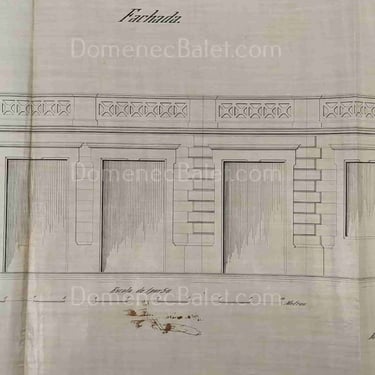
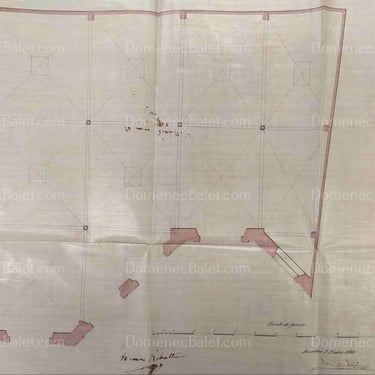
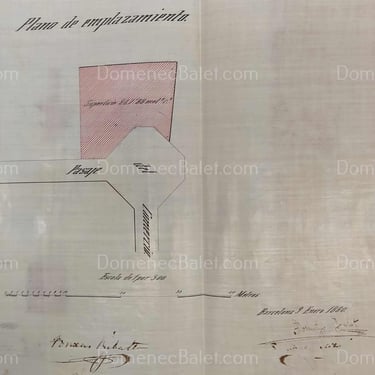
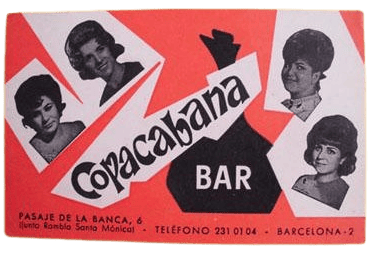
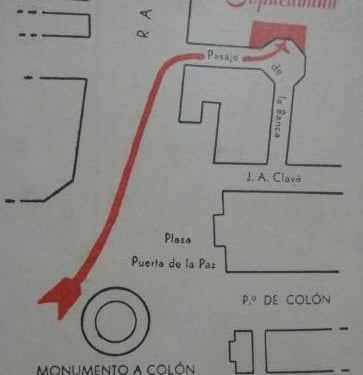
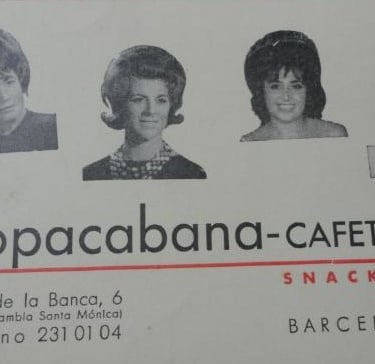
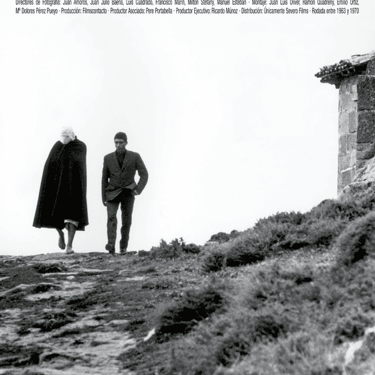

Image Gallery:
Support This Project
If you purchase through these links, you help cover our technical costs at no extra cost to you.